Principal investigators
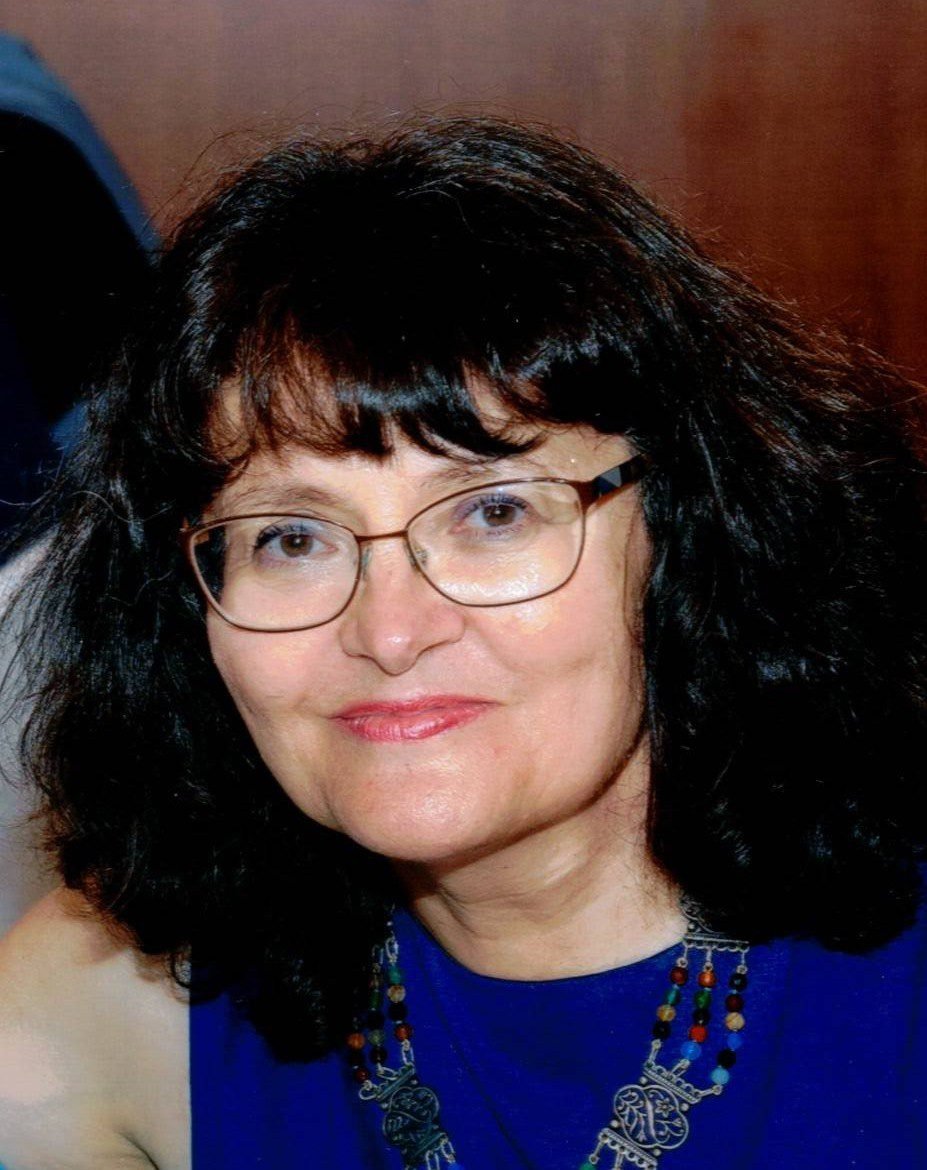
Sylvia A. Jiménez Brobeil
Sylvia A. Jiménez Brobeil

Full Professor of Physical Anthropology at the University of Granada. Her professional and academic career has been developed within the field of Physical Anthropology applied to History, and it is from this holistic and multidisciplinary perspective that her professional activity is understood. She holds a Bachelor’s degree in Geography and History (awarded the Extraordinary Prize upon completion of her degree) and a PhD in History from the University of Granada. Her research career began as a PFPI research fellow (Spanish Government), and continued as a postdoctoral fellow at the University of Granada. Her teaching activity began in 1990 as a Temporary Associate Professor and continued as an Associate Professor at the University of Granada.
Her main research lines focus on the anthropological study of human skeletal remains recovered from archaeological excavations, and on the health and disease of past populations, with particular interest in analyses of diet, activity patterns, sexual dimorphism and gender differences, evidence of violence on the skeleton, and paleoepidemiology. Among her achievements are 12 I+D+I projects (three as Principal Investigator), participation in 25 additional funded projects, 125 scientific articles, 2 books, 56 book chapters, and the supervision of 11 PhD theses.
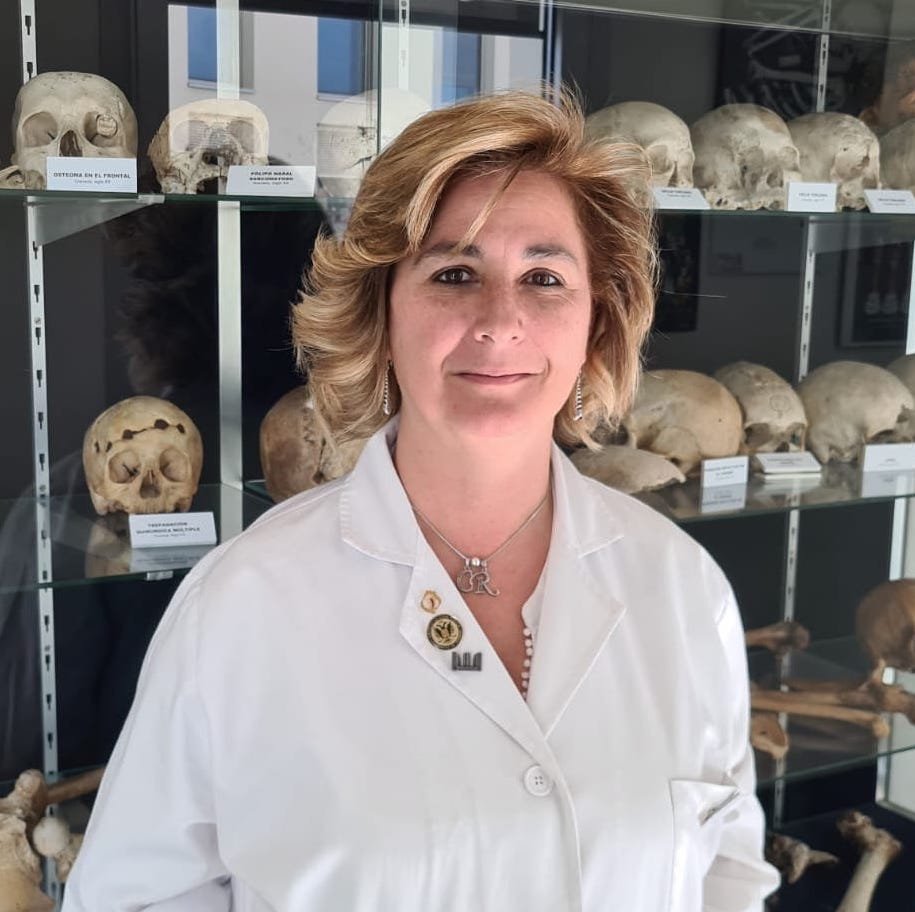
Rosa Mª Maroto Benavides
Rosa Mª Maroto Benavides
Associate Professor of Physical Anthropology at the University of Granada. Bachelor’s degree in Geography and History, PhD in History from the University of Granada (awarded the Doctoral Prize in the 2003–2004 academic year), and Master’s degree in Physical and Forensic Anthropology from the University of Granada. She has carried out research stays in national and international institutions (Mexico and Finland), and was a research fellow at the Laboratory of Anthropology from 2003 to 2006 and a research contract holder from 2006 to 2010. Since 2024 she has led the Research Group CTS112 (Biological Anthropology. Human Paleoecology).
Her research lines have focused on the study of human skeletal remains, and subsequently, from the interdisciplinary perspective of Physical Anthropology, on topics related to human identification, human evolution, health and disease in past populations, biodemography, and applied anthropology. Among her achievements are 4 I+D+I projects (two as Principal Investigator), 35 scientific articles, 2 books, 26 book chapters, and she currently supervises 6 PhD theses.
Researchers
Olga López Guarnido
Olga López Guarnido
María Gracia Roca
María Gracia Roca
Working team
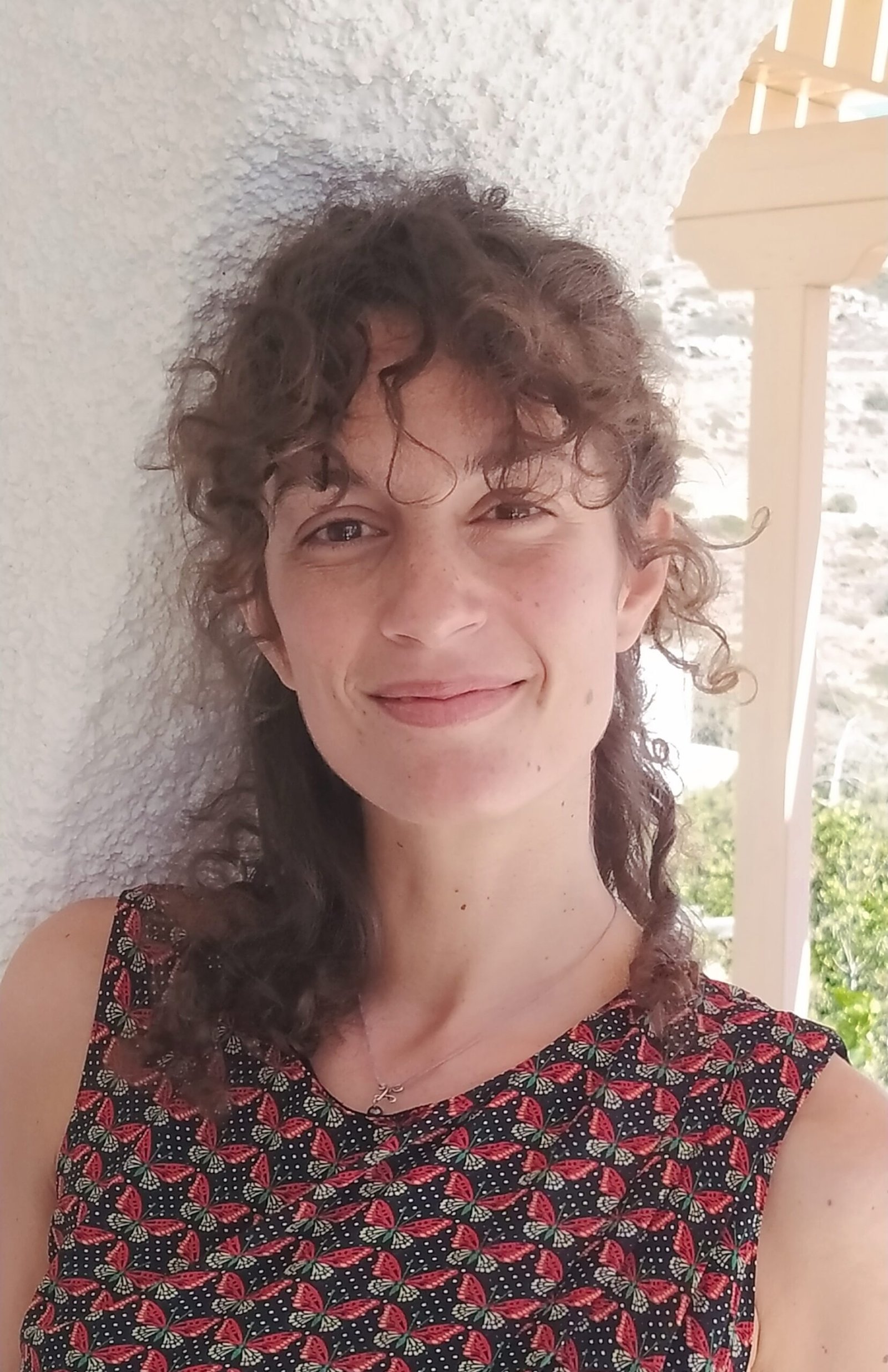
Drosia Charisi
Drosia Charisi
Bachelor’s degree in Biology and specialised in Physical Anthropology. Her main area of interest is the reconstruction of past lifestyles in relation to physiological stress, diet, and physical activity, as well as the exploration of biological adaptations of past populations to diverse sociocultural environments through osteological research. She is particularly interested in evaluating sex differences in skeletal and dental traits as a means of understanding gender‑related social divisions in past populations. She has participated in two research projects on medieval Spain directed by Professors Sylvia‑Alejandra Jiménez‑Brobeil and Bárbara Boloix‑Gallardo (University of Granada).
In 2023, she was awarded a fellowship from the Malcolm H. Wiener Laboratory for Archaeological Science (Athens) to develop her own research project on the diet of ancient Greek populations through dental microwear analysis, as an associated researcher. Among her publications and contributions to conferences on medieval Spain are: “Living and working in al‑Andalus: an osteological comparison of rural and urban populations from Islamic Spain (11th–15th c. AD)” (2022), “Exploring the effect of the physical environment on daily activity patterns: an osteometric study of valley and mountain populations in medieval Castile” (2022), “Sex differences in diet and life conditions in a rural medieval Islamic population from Spain (La Torrecilla, Granada)” (2021), and “Sexual dimorphism in two medieval Muslim populations from Spain” (2016).
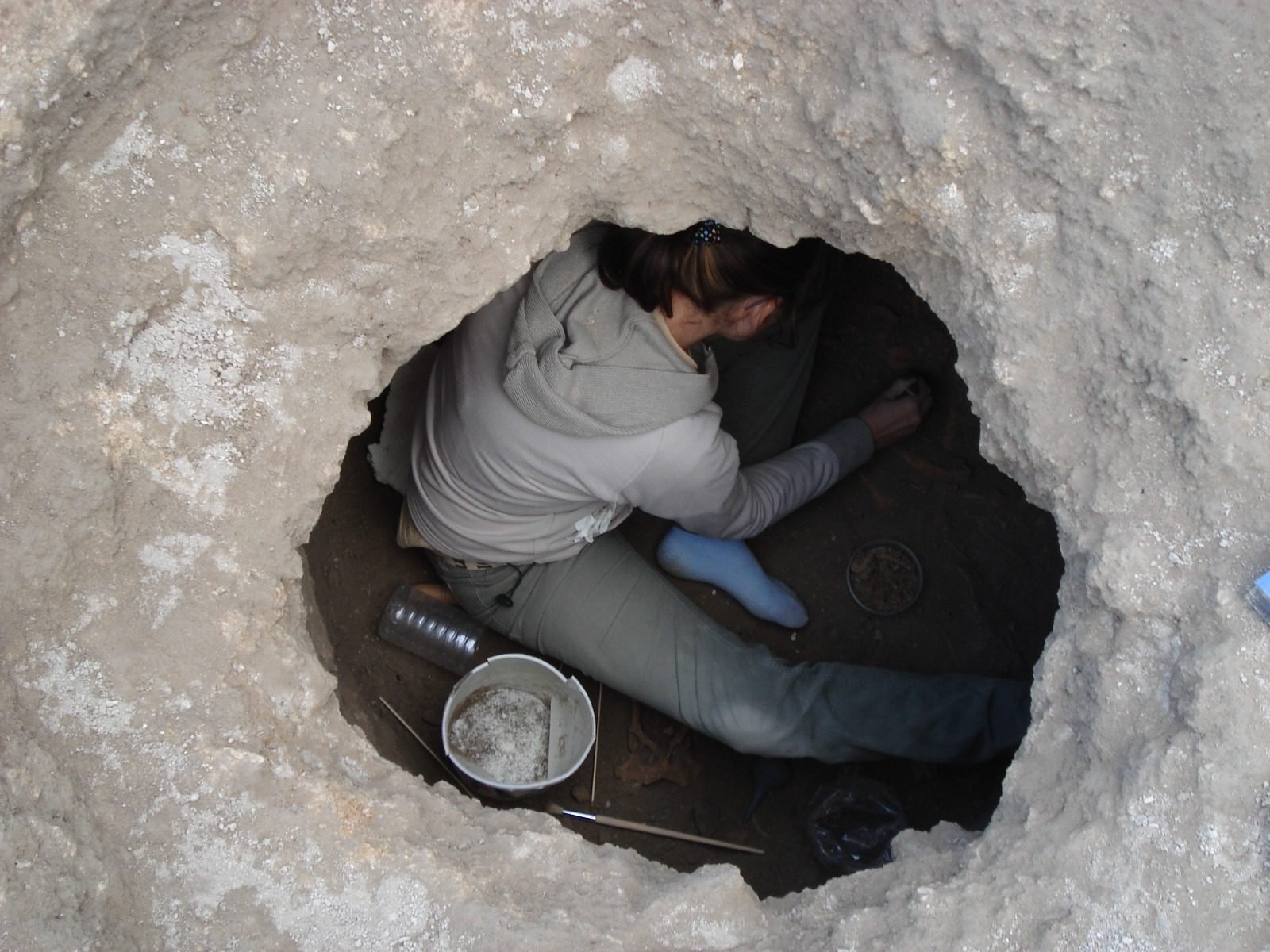
María Chávet Lozoya
María Chávet Lozoya
Bachelor’s degree in History from the University of Murcia, Master’s degree in Archaeology and Territory, and PhD in Archaeology from the University of Granada, with the doctoral thesis Islamic Burial Rituals (8th–16th c.): Laḥd‑type Tombs. The Archaeology of Death in Madinat Lūrqa. She has developed her professional and research career in archaeology, cultural heritage protection, and museums, and has extensive experience in archaeological fieldwork.
Her research builds on the work developed in her doctoral thesis on Islamic funerary rituals. It focuses primarily on their origins and the pre‑Islamic influences they received, as well as on the analysis of grave typologies, with particular interest in lateral chamber tombs and their survival into the present day. She carries out this research in the field and as part of research teams in various projects with the University of Granada.
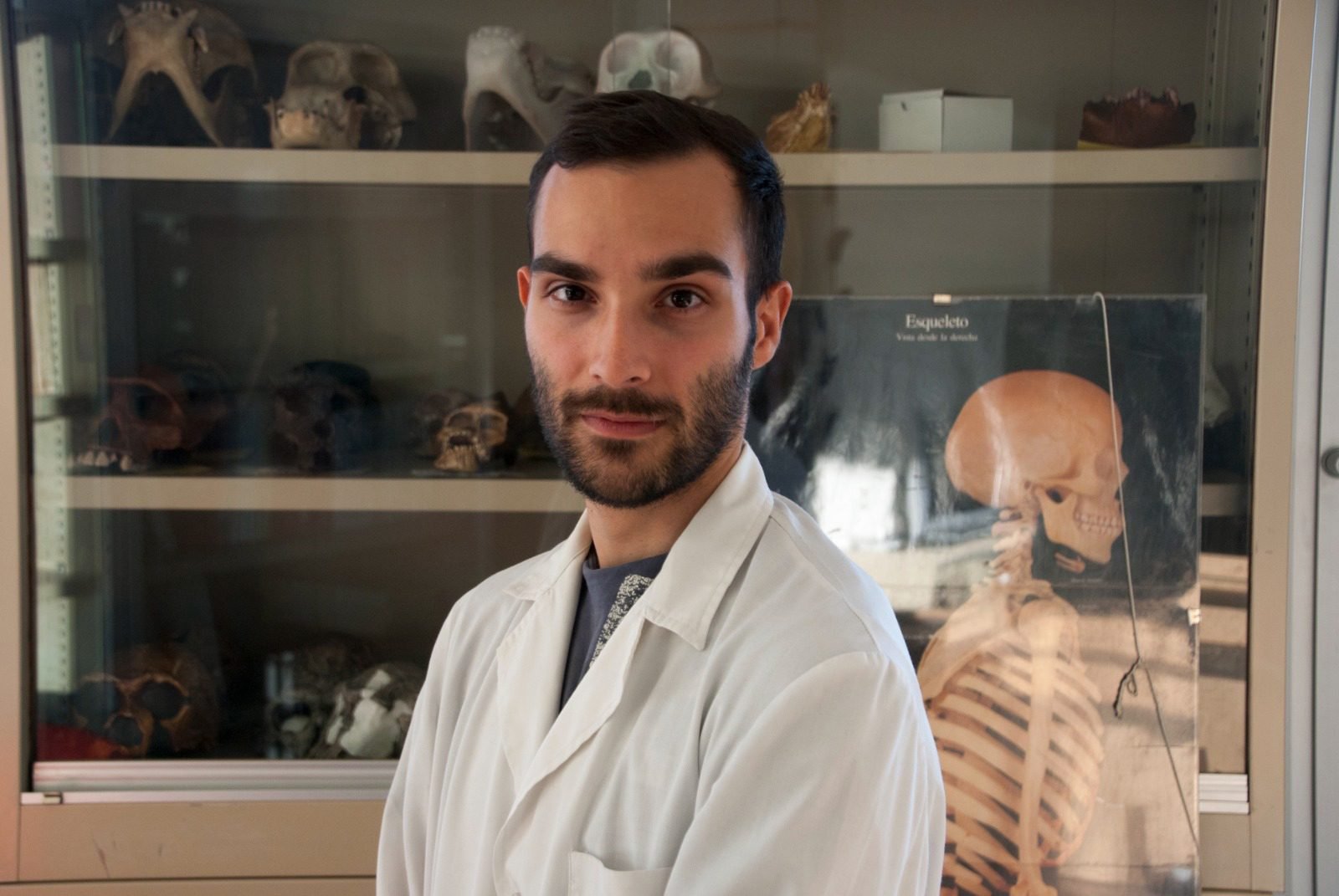
Salvatore Duras
Salvatore Duras
Graduate in Biology, with a Master’s degree in Experimental and Applied Biology from the University of Sassari and a Master’s degree in Physical and Forensic Anthropology from the University of Granada, where he further developed his expertise in physical anthropology and paleopathology. Over the years, he has undertaken research stays at several European universities, including the University of Sassari, the University of the West of Scotland (UWS), and the University of Oslo.
His research reflects his multidisciplinary training and focuses on the application of bioarchaeological and paleopathological methods to the study of the health of ancient populations and their relationship with hygienic-sanitary conditions, as well as socio-economic and gender structures. His scientific output spans from the Neolithic to the Modern Age. He is currently pursuing a PhD at the University of Granada, where his research focuses on the paleopathological study of the Roman necropolis of Dianium (present-day Dénia, Alicante, Spain).
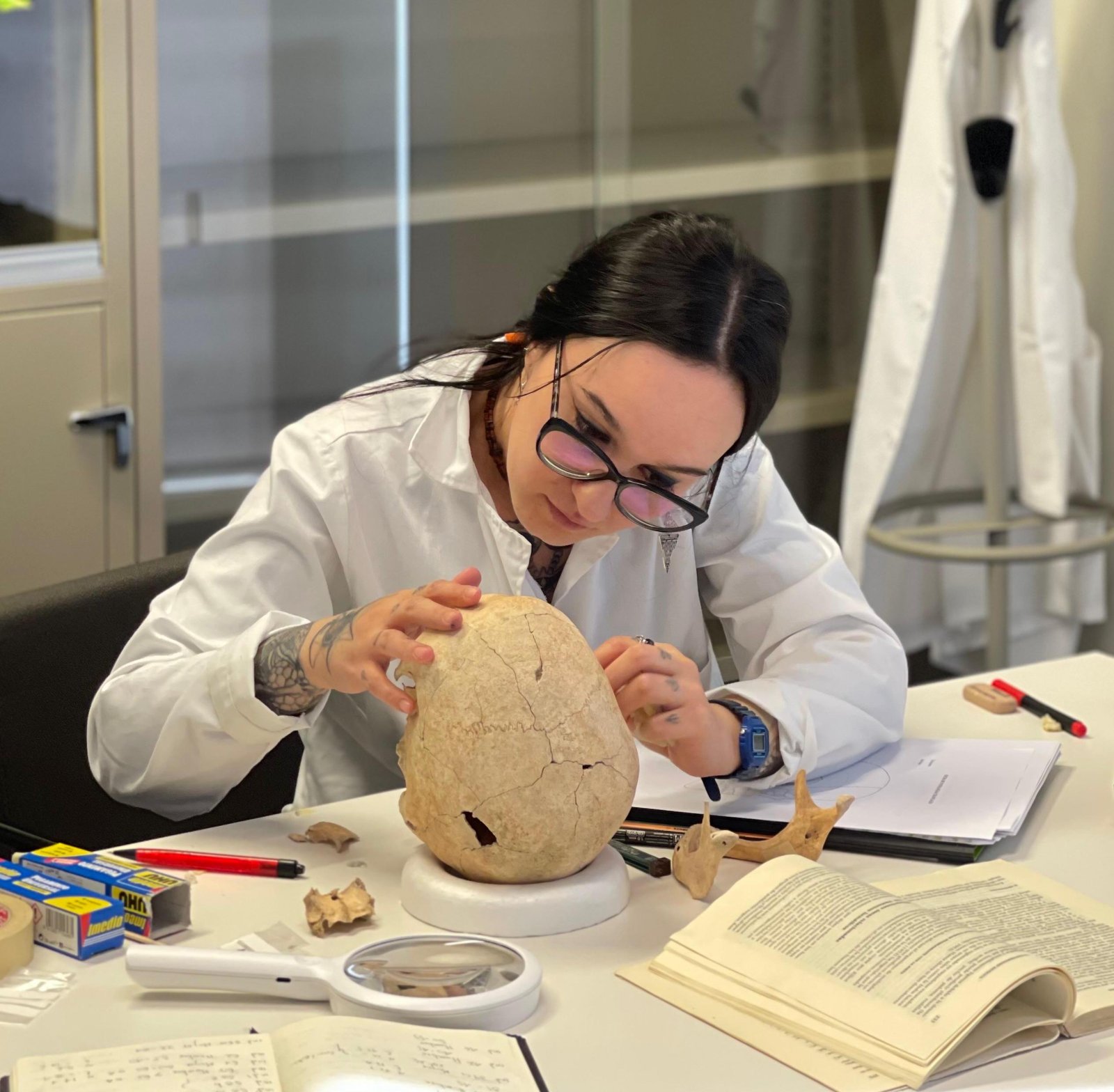
Jimena Gallego Soto
Jimena Gallego Soto
Anthropologist specialised in physical and forensic anthropology, with international experience in archaeology and bioarchaeology. She is registered in the National Registry of Archaeologists of Colombia (No. 732). She has academic and practical training in the study of osteological collections, as well as in archaeological excavation, and has participated in both fieldwork and bioanthropological analysis of human skeletal remains.
She is currently a PhD student on the History and Arts programme at the University of Granada, within the Archaeology and Material Culture research line. Her doctoral research focuses on the study of bone and dental paleopathologies in medieval populations from the Kingdom of Granada (14th–15th centuries). The main aim of this research is to analyse the health and disease conditions of these individuals, as well as their interaction with the physical, social, and epidemiological environment, in order to infer key aspects of their living conditions and the factors that influenced their biological well-being.
Zita Laffranchi
Zita Laffranchi
Senior Lecturer (Ramón y Cajal Programme) in the Department of History (Prehistory area) at the University of Córdoba, specialising in bioarchaeology and the application of isotopic methods to reconstruct the diet and mobility of past populations. She holds a Bachelor’s degree in Archaeology from the University of Padua (Italy) and two Master’s degrees, one in Archaeology and one in Physical Anthropology, from the University of Granada (UGR). She obtained her PhD, with European mention, in Physical Anthropology from UGR in 2015. She has worked as a postdoctoral researcher in Spain (UGR and the Andalusian Institute of Earth Sciences – CSIC), Switzerland (University of Bern) and Italy, and is currently a member of the HUM‑1149 “Simblya Past‑Sciences (SPSci LAB)” research group at the University of Córdoba.
Her research focuses on the relationships between biological, sociocultural, and economic variability in ancient populations. Over the last decade, she has worked especially with Late Iron Age and pre‑Roman communities in north‑eastern Italy and Switzerland. She also collaborates on projects investigating diet, health, and gender differences in medieval al‑Andalus (south‑eastern Spain), as well as funerary treatment and the manipulation of skeletal remains during the Neolithic in southern Iberia. To date, she has published 30 JCR articles, 20 of them in Q1, including papers as first and corresponding author, and has participated in 11 I+D projects funded by the Ministry and the Andalusian Government, four of which are currently ongoing.
Ramón López-Gijón
Ramón López-Gijón
PhD in Biomedicine from the University of Granada. With a multidisciplinary background—holding a Bachelor’s degree in Archaeology and a Master’s degree in Physical and Forensic Anthropology—his research focuses on Paleoparasitology. To this end, he has carried out pre‑doctoral research stays at leading laboratories in the field, including the McDonald Institute for Archaeological Research at the University of Cambridge (UK), the Chrono‑environment Laboratory at CNRS–Université de Franche‑Comté (France), and the Oswaldo Cruz Institute of Biomedicine in Rio de Janeiro (Brazil).
His scientific contributions span from the Neolithic to the Modern Age, providing evidence on hygienic‑sanitary conditions, agricultural and livestock practices, as well as on the presence and/or consumption of domestic and peridomestic animals through the discovery of parasitic remains. These findings are supported by anthropological studies, which have revealed variations in parasite prevalence by sex and age.
Luis Alberto Mena Sánchez
Luis Alberto Mena Sánchez
José Francisco Martín Alonso
José Francisco Martín Alonso
PhD in Biomedicine from the University of Granada, specialised in physical anthropology, with a Bachelor’s degree in Biology and a Master’s degree in Physical and Forensic Anthropology. His research focuses on reconstructing the biological, environmental, and cultural aspects of historical societies, particularly medieval populations of the Iberian Peninsula, in order to gain a better understanding of how past communities lived and interacted with their environment. He employs tools such as paleopathology, paleodemography, and stable isotope analysis to address questions related to diet, mobility, health, and living conditions in past populations.
Throughout his career, he has participated in various research projects funded by the Ministry of Education focused on health and nutrition in medieval populations, collaborating with interdisciplinary teams. His work has been published in specialised scientific journals and presented at national and international conferences in physical anthropology. In addition to his research activity, he has actively contributed to science communication and outreach initiatives. During his doctoral training, he conducted research stays at institutions such as the Andalusian Institute of Earth Sciences (CSIC), the University of Pisa, and the University of Valencia, further expanding his experience in laboratory techniques and isotopic analysis applied to archaeological materials. His research seeks to contribute to a better understanding of the biological history of human populations and the relationships between diet, health, environment, and culture in past societies.
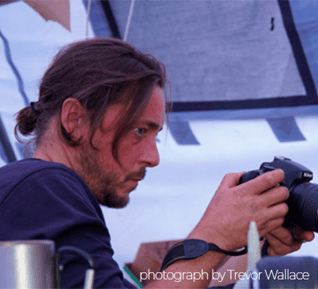
Marco Milella
Marco Milella
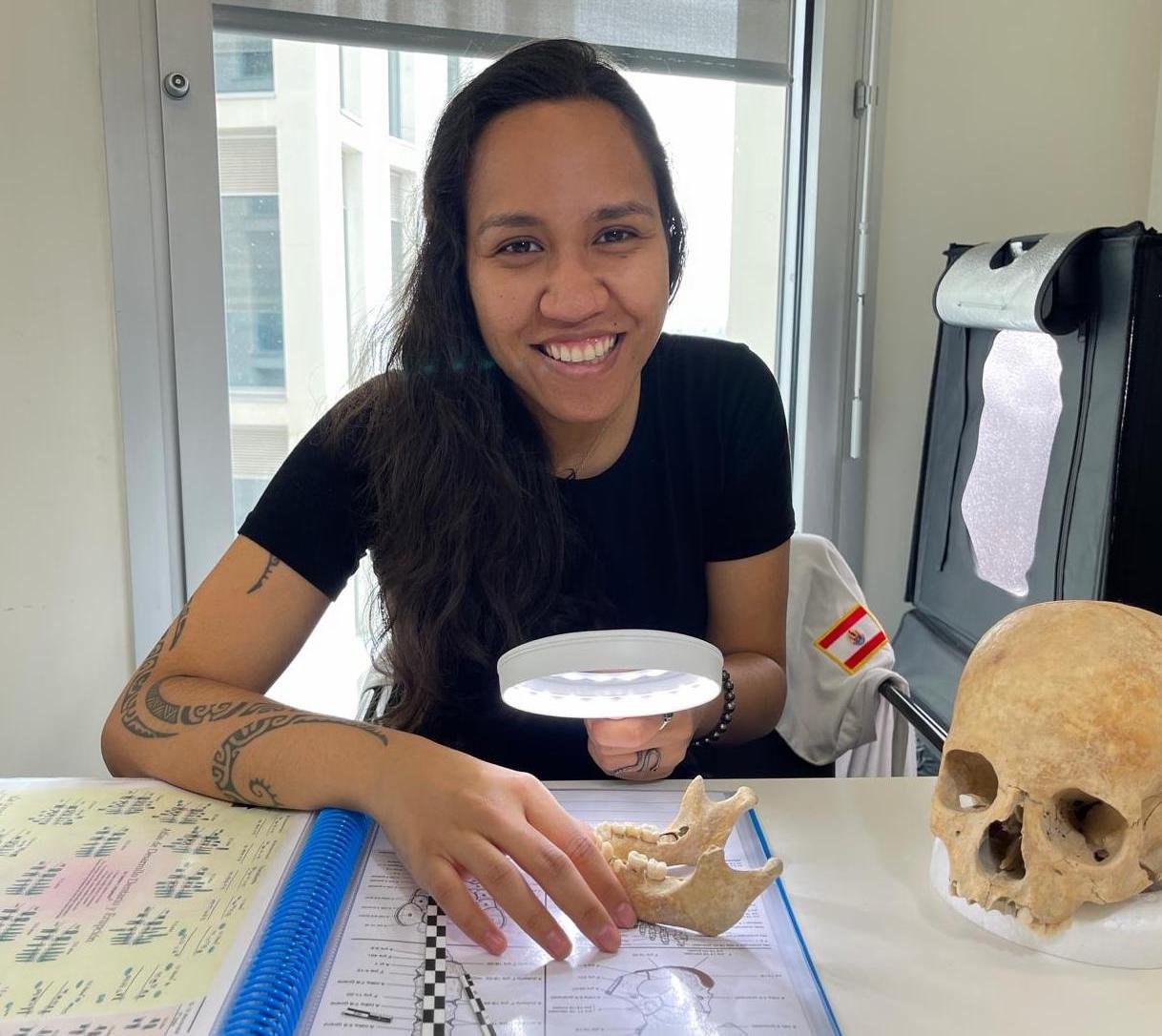
Mareka Atea Claire Pottin Tainanuarii
Mareka Atea Claire Pottin Tainanuarii
Anthropologist and early‑career researcher, specialised in Physical and Forensic Anthropology with a bioarchaeological focus. Her academic trajectory includes a solid grounding in Social and Cultural Anthropology, which allows her to approach the study of human beings from a holistic perspective. She has experience in the analysis of adult osteological collections and, in particular, non‑adult remains.
She is currently completing her PhD in Biomedicine (Physical and Forensic Anthropology) at the University of Granada, focused on the study “Health, disease and diet in non‑adult individuals from al‑Andalus”. Her research examines individuals between six months and nineteen years of age, aiming to reconstruct patterns of health, disease and child growth from a biocultural perspective that integrates osteological evidence and its historical and social context. The study combines multiple methodological approaches, including age estimation, paleopathological analysis, identification of growth disorders and parasitological evidence. These are complemented by isotopic and proteomic techniques, which enable deeper insights into dietary patterns, nutritional variation and the assessment of biological sex in juvenile populations.