VIDEFIM
Ephemeral Lives: Childhood and Youth in Medieval Spain
The Forgotten Ones of History: Childhood and Youth Childhood and youth represent fundamental stages of life, yet they have long been overlooked in the study of past populations. Archaeology and biological anthropology have paid scant attention to these individuals, who, despite their short lives, offer valuable insight into how societies understood the body, health, and care.
The Middle Ages under the Microscope The Middle Ages provide a fascinating context for exploring these questions. Growing up was often challenging and many children did not reach adulthood. Even so, skeletal remains reveal how they lived, experienced illness, and were cared for, while historical sources complement this bioarchaeological evidence.
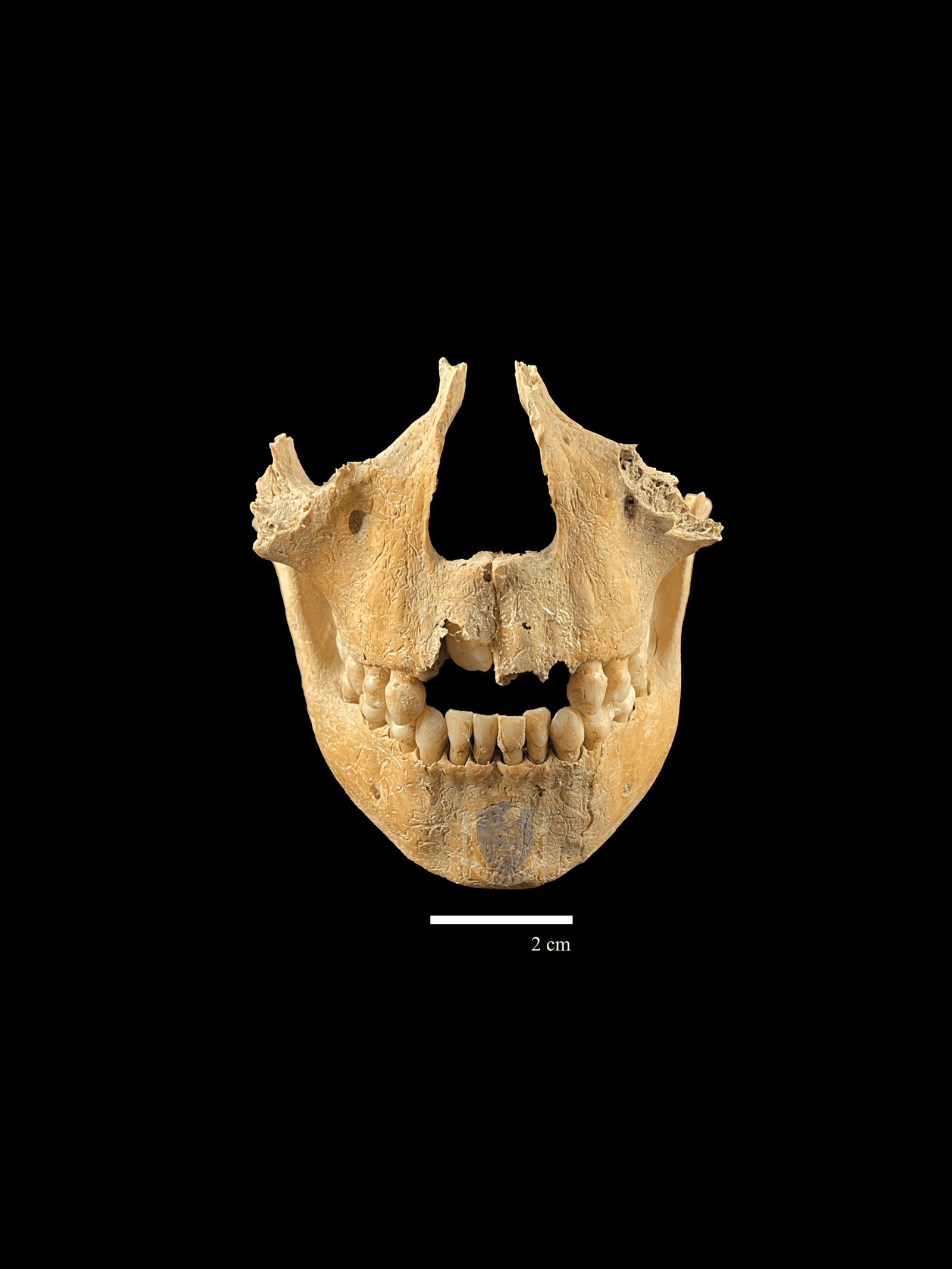
What do we study? Our project aims to analyse the lives, health, and development of approximately 250 children and young people from various medieval sites in Castile and al-Andalus.
How do we do it? We combine anthropological, paleopathological, paleoparasitological, and biomolecular analyses with historical and archaeological data.
METHODOLOGY
ARCHAEOLOGICAL CONTEXTS
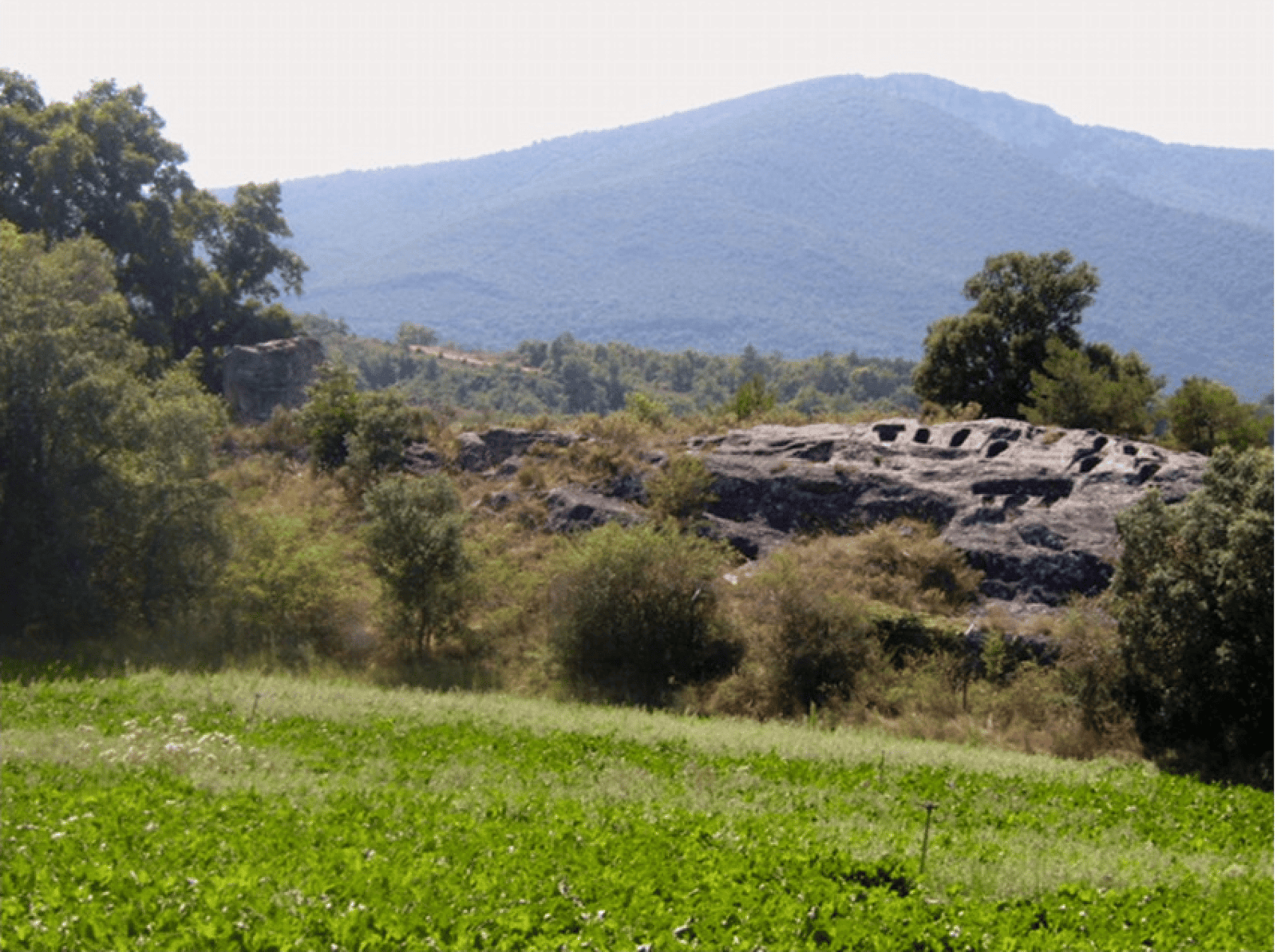 Tejuela cemetery
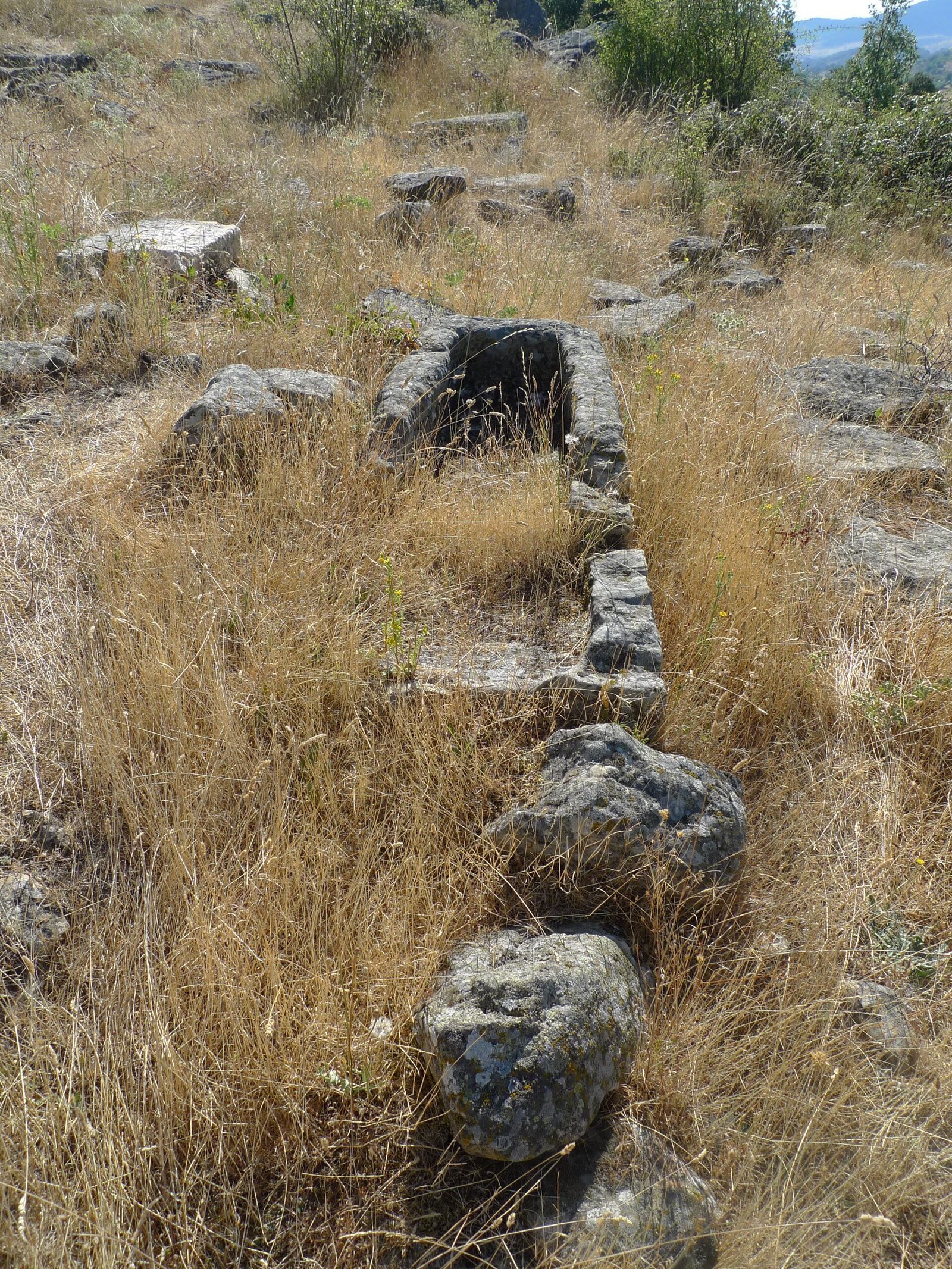 Palacios de la Sierra. Castle necropolis
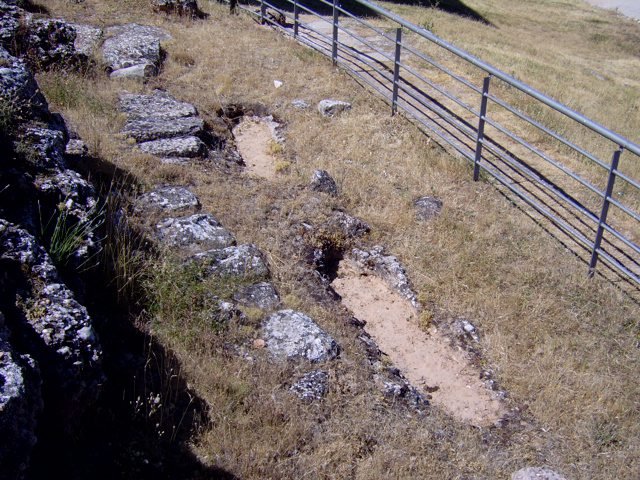 San Baudelio cemetery
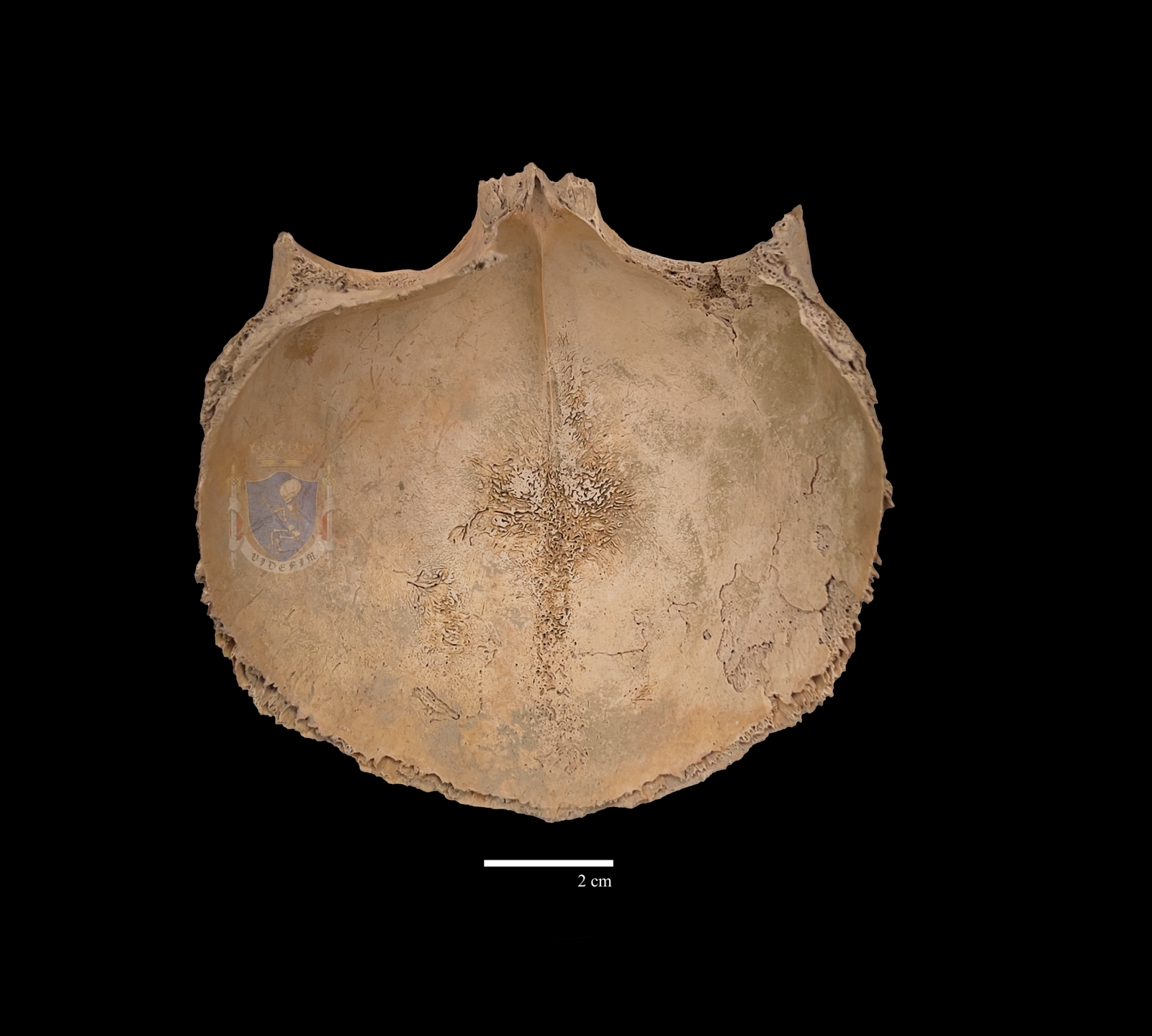
GROUND-BREAKING PAPERS
ACADEMIC ACTIVITIES
“ACROSS THE BORDER”: INTERACTION AND MOBILITY IN MEDIEVAL IBERIA
Throughout the Middle Ages, the history of the Iberian Peninsula was shaped by the arrival of Arabs and the spread of Islam, as well as by the military campaigns of Christian groups advancing southwards. The resulting frontier fluctuated in both size and location, gradually moving southwards across the peninsula and creating a large transitional zone between the political spheres of Asturias-León, Portugal and Castile on one side, and Al-Andalus on the other.
While traditional studies have focused on military and repopulation strategies, archaeology has filled important gaps in our knowledge that documentary sources could not. This frontier region has a complex history of conflict, as evidenced by the construction of fortifications. Yet during periods of relative peace, it also fostered significant cultural interactions and acculturation processes, enabling the emergence of a dynamic and multifaceted society. These territories were characterised by significant social mobility, including migratory movements, repopulation efforts, trade, the exchange of knowledge, and the creation of new agricultural landscapes.
This session welcomes archaeological research of defensive structures, battles and settlements, as well as bioarchaeological studies of paleodemography, genetics, health and diet.
NEW MASTER’S IN BIOANTHROPOLOGY AND HEALTH: DYNAMICS OF PAST POPULATIONS
The University of Coimbra introduces the new Master’s in Bioanthropology and Health: Dynamics of Past Populations, an interdisciplinary programme focused on the excavation, treatment, analysis, and interpretation of human osteological remains from archaeological contexts. This training offers advanced insight into health, disease, mortality, sociocultural practices, mobility, genetic variation, and other key dimensions of past populations.
Information regarding admission for the 2026/2027 academic year is available on the official University of Coimbra website.